
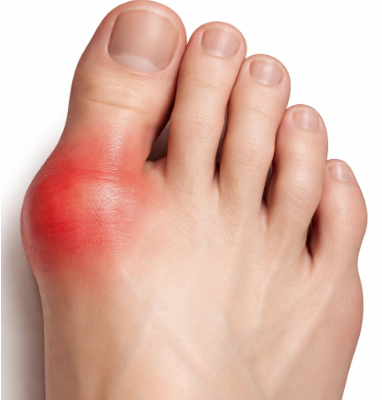
If you are experiencing acute pain in the big toe joint or ankle in the absence of injury; you may have gout.
Gout presents as a red, hot, swollen joint and primarily affects the great toe joint or ankle. It can be acutely painful and patients will often describe pain even with light touch (such as contact with bed sheets). It is the result of crystallization of uric acid that can precipitate in these joints as the result of the breakdown of purines (small chemical compounds) found in many foods. Due to the severity of these events (and the need to rule out infection) it is generally recommended to seek help from your local podiatrist.
Diagnosis and Treatment
Diagnosis can be often achieved from a blood test that will measure uric acid levels, however this may not always be elevated. Generally speaking, clinical impressions and x-rays will help determine what’s going on. Treatment for acute symptoms often consists of medications such as colchicine and/or NSAID’s (non-steroidal anti-inflammatories) (naproxen, indomethacin etc) Corticosteroids in the oral or injection form are also effectively utilized. As this affects joints; a patient may also be issued with a boot or surgical shoe to prevent motion of the painful joint.
Medications
So while the unpleasant event of a gout flare can in most instances be well controlled, the question then becomes, how do we prevent the flare in the first place? Treatment then becomes controlling or limiting the amount of uric acid produced in the body. Sometimes your pcp, rheumatologist or podiatrist may prescribe medications to that effect;
Drugs such as allopurinol (Aloprim, Lopurin, Zyloprim) and febuxostat (Uloric) help limit the amount of uric acid your body produces. Side effects of allopurinol include fever, rash, hepatitis and kidney problems. Febuxostat side effects include rash, nausea and reduced liver function. Febuxostat also may increase the risk of heart-related death. These medications are prophylactic (preventative) in their action and so long term usage is often indicated.
Other Medications can improve uric acid removal. Drugs such as probenecid (Probalan) help improve your kidneys’ ability to remove uric acid from your body. Side effects include a rash, stomach pain and kidney stones.
What to foods to avoid
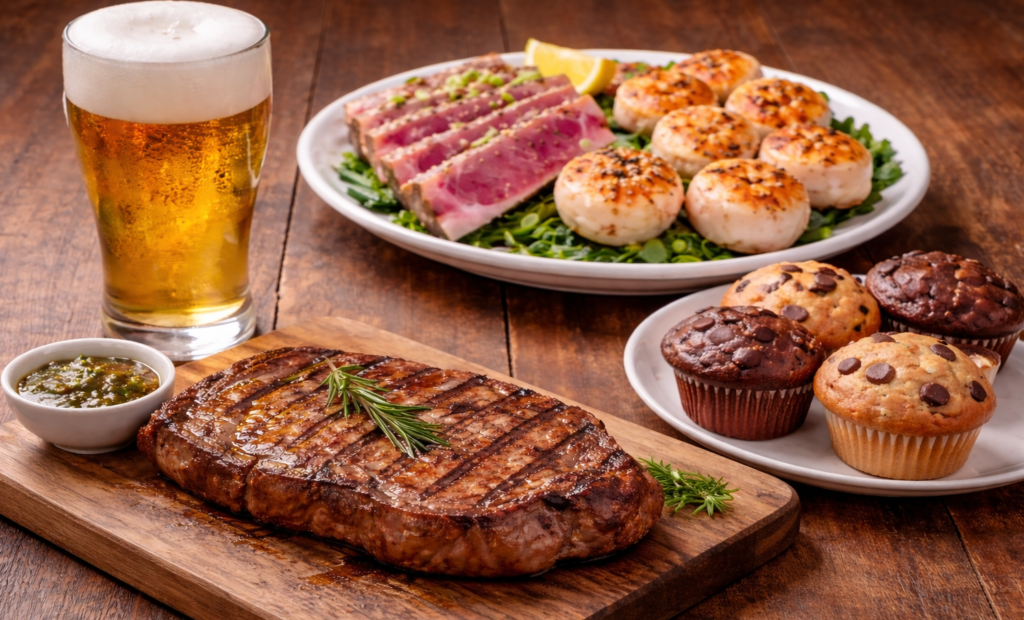
The other or additional approach is to limit the amount of purines in your body in the first place with diet. Foods such as red meats, seafoods (e.g. Scallops, mussels and tuna), Turkey, beer and distilled liquors and organ meats all contain high levels of purines that will generate uric acid. Sugary food and beverages (e.g. Sweetened cereals, candies and naturally sweet juices) should also be avoided/limited due to the high levels of fructose that induce the production of uric acid. (please see full list below).
Foods to avoid:
- Sugary drinks and sweets.
- High fructose corn syrup.
- Alcohol (Beer, hard liquor)
- Organ meats (liver, tripe, brains and kidneys)
- Game meats (goose, veal and venison)
- Seafood (herring, sardines, scallops, mussels, codfish, tuna, trout and haddock)
- Red meats (beef, bison, lamb pork and bacon)
- Turkey
- Gravy and meat sauces.
- Yeast and yeast extract (soy sauce, marmite)
- Baked goods (muffins, pastries, cookies, and cakes)
What foods to Eat
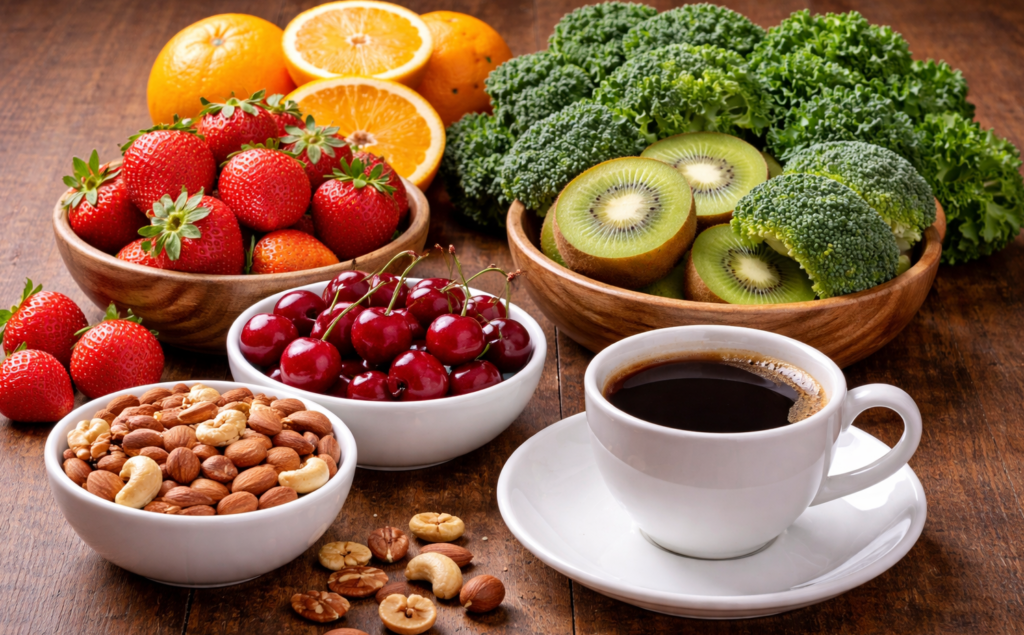
On the opposite side there are other food, drinks or vitamins that can be useful in reducing the chance of a gout attack. For example;
Vitamin C
Vitamin C (500mg/day) for example NATURELO Vitamin C with Organic Acerola Cherry Extract has been shown to reduce uric acid levels in the blood by increasing the level of excretion through the kidneys as well as neutralizing free radicals generated in inflammatory pathways.
Coffee
Caffeinated Coffee (without sugar) Lifeboost Coffee Ground Medium Roast Coffee – has also been thought to reduce the inflammatory process associated with gout and slow down the breakdown of purines.
Cherries
Nutrient rich cherries Herbaila Dried Cherries Tart Cherry or unsweetened tart cherry juice Dynamic Health Organic Tart Cherry Juice are also thought to act on anti-inflammatory pathways (as they are rich in vitamin C) and reduce the uric acid levels in the body. The amount recommended however has not been established.
Omega-3-fatty acids
Omega-3-fatty acids are commonly used to potentially help lower triglyceride levels and may protect against heart disease and stroke. So while Omega-3 will not directly inhibit uric acid levels and help prevent gout, it is rich in many seafoods that you may choose to avoid to prevent gout. As such you want to consider a supplement to maintain your omega-3 intake. NATURELO Omega-3 Fish Oil Supplement
Water
Maintaining good hydration helps the kidneys flush uric acid from the bloodstream and thus diminishes its ability to crystallize in the joints. It can also be utilized during gout attacks to help reduce swelling and inflammation. In general, I recommend at least 2 liters a day (about 8 glasses); however, during a gout flare you may want to double this to help flush the uric acid more effectively
Foods to eat:
- High Vitamin C foods:
- Oranges / Grapefruit / Kiwi / Strawberries / Cantaloupe / Black Berries
- Sweet bell peppers
- Broccoli / Brussel Sprouts / Cabbage / Cauliflower
- Kale / Mustard Spinach / Parsley
- Tomatoes / Tomato juice
- Baked Potatoes
- Low Purine foods:
- Cherries / Berries / Citrus Fruits
- Low fat dairy products: Milk / Yogurt / Cheese
- Nuts / Nut butters / Seeds / Legumes
- Whole grain Breads / Pastas / Rice
- Coffee
- Water
Supplements
While it is always best to obtain sources in its natural form whenever possible, there are some supplements that may help in controlling and regulating your body’s uric acid levels and thus potentially help to prevent gout.
Pure Encapsulations: Uric Acid Formula
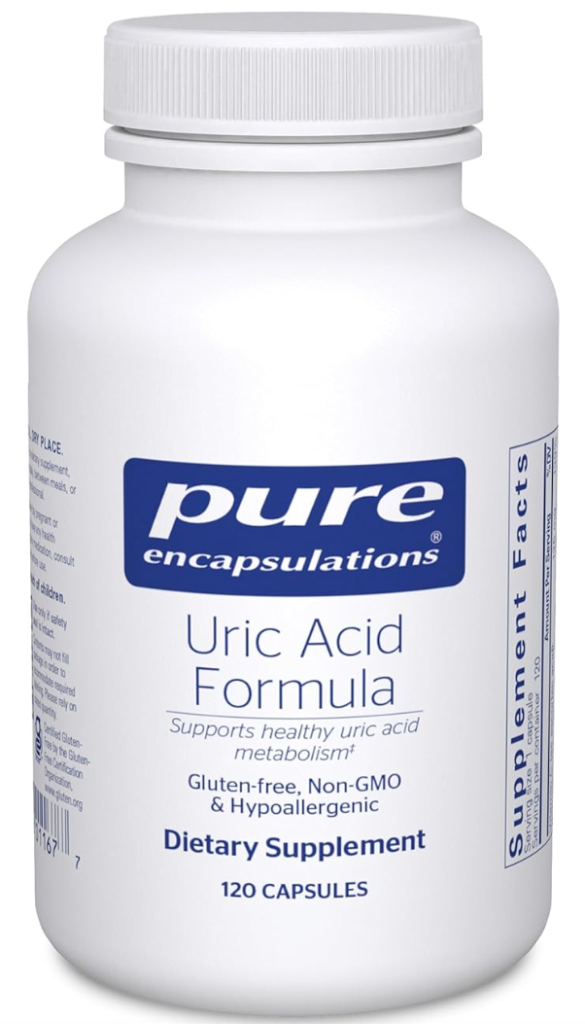
Contains:
Vitamin C (ascorbic acid) 125 mg: Reduces uric acid levels. Potassium (potassium citrate) 100 mg: Facilitates uric acid excretion and supporting kidney function.
Devil’s claw 100 mg: A South African Herb, believed to reduce pain and inflammation.
Cherry (Prunus spp.) Extract 162 mg: Thought to reduce uric acid levels in the body.
Quercetin 100 mg: May block enzymes that produce uric acid Bromelain (from pineapple stem) 50 mg: Believed to have anti-inflammatory and analgesic properties.
Grape (Vitis vinifera) extract (seed) 25 mg: Believed to provide anti-oxidant protection.
Green Coffee Bean Extract for Uric Acid Cleanse & Detox
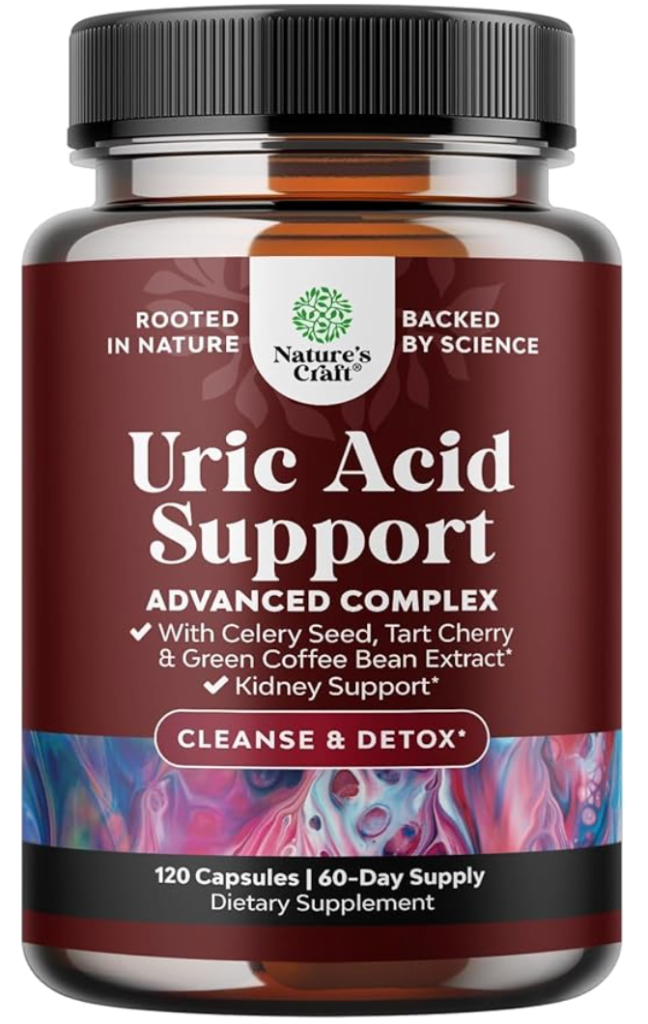
Contains
Vitamin B6 (5mg): May help lower uric acid levels
Citric Acid (250mg): Possibly helps in stabilizing uric acid levels.
Chanca Piedra Extract (250mg): Thought to support kidney function.
Celery Seed Extract (200mg): May help reduce Uric acid levels.
Tart Cherry fruit Extract (200mg): Reduces uric acid levels.
Green Coffee Bean Extract (100mg): Possible Anti-inflammatory properties
Milk Thistle seed Extract (100mg): Possible Anti-inflammatory properties
Cranberry Fruit Extract (100mg): Possible Anti-inflammatory properties
Amla Fruit Extract (25mg): Possible Anti-inflammatory properties
Bromelain (25mg): Possible Anti-inflammatory properties
Mojave Yucca Root (25mg): Possible Anti-arthritic properties.
Devils Claw Root Extract (25mg): Believed to reduce pain & inflammation.
Turmeric Rhizome Extract (25mg): Anti-inflammatory properties
[Note: Statements regarding dietary supplements have not been evaluated by the FDA and are not intended to diagnose, treat, cure, or prevent any disease or health condition]
Disclosure: As an Amazon Associate, I earn from qualifying purchases